 ChatGPT
 Claude
 Perplexity
 Gemini
 Meet your local partner













































































Should a Hawaiʻi property use Wi-Fi or cellular?
Guest areas, warehouses, outdoor work areas, and moving vehicles present different requirements. Compare the intended work area, client devices, cabling access, and administration needs—not the technology label alone.
Technical reference: NIST: 5G cybersecurity · FCC: understanding reported availability.
Bring a floor plan and device list to Sigma. Request a design and site assessment from the delivery partner, with clear responsibility for access points, internet service, cellular equipment, and ongoing support. Business Wi-Fi Design, Security, and Guest Access offers a related planning checklist.
Where Wi-Fi fits
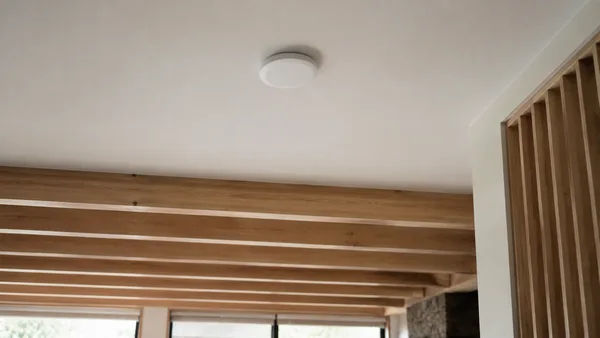
A business controls its access points, internal network, authentication, segmentation, and internet connection. Well-designed Wi-Fi can support employees, guests, voice, video, and connected equipment inside offices, hotels, clinics, schools, warehouses, and public spaces.
Performance depends on access-point placement, cabling, interference, channels, building materials, device density, and configuration. New access points cannot correct poor placement or insufficient wired infrastructure.
Where 5G fits
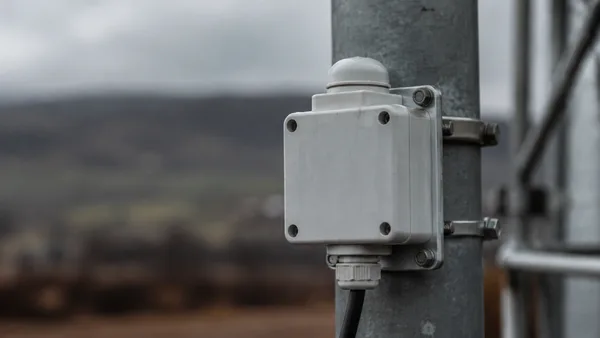
Compatible devices connect through a cellular network. This supports field employees, vehicles, tablets, temporary offices, remote sensors, and sites without immediate wired access. The network operator manages the wide-area radio infrastructure; the business still manages devices, identity, applications, and data.
Compare coverage, mobility, device type, authentication, ownership, installation, capacity, latency, security, management, and cost. Test at the exact location.
Hybrid designs are common
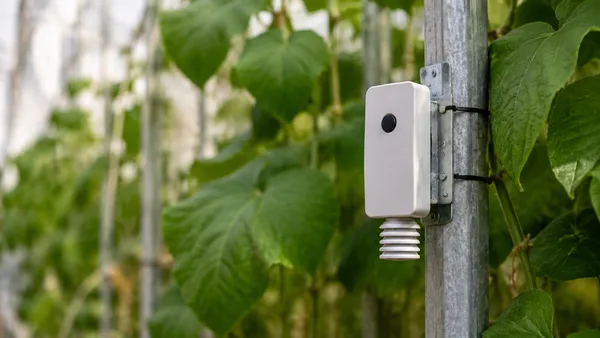
Employees may use secure Wi-Fi inside and cellular service while traveling. A payment device may use Wi-Fi normally and cellular service during an outage. Sensors may use Wi-Fi where managed coverage and power exist, while remote devices use cellular connectivity.
Assign each workload to the technology that best fits its environment.
Frequently asked questions
Is 5G the same as 5 GHz Wi-Fi?
No. 5G is a generation of cellular technology. Five gigahertz is a frequency band used by Wi-Fi.
Can 5G replace office Wi-Fi?
For selected devices, perhaps. Wi-Fi often remains more practical for high-capacity local access.
Which is more secure?
Either can be deployed well or poorly. Identity, configuration, encryption, devices, monitoring, and administration determine much of the risk.