 ChatGPT
 Claude
 Perplexity
 Gemini
 Meet your local partner













































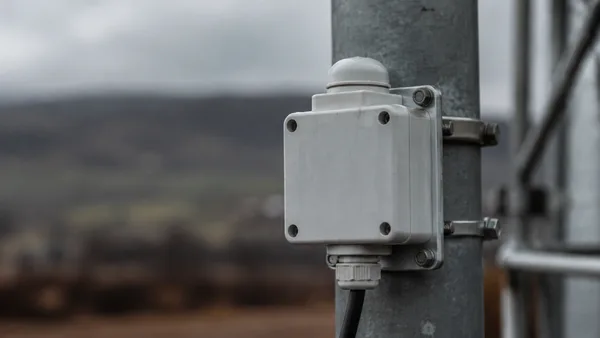

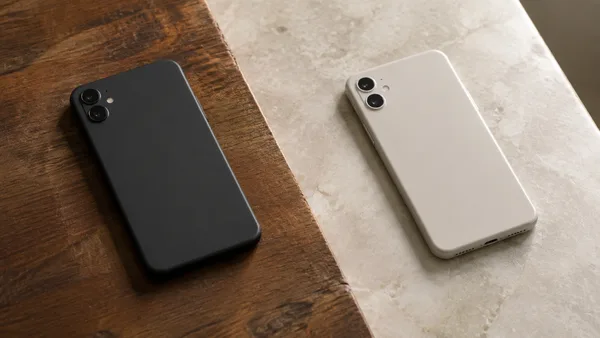

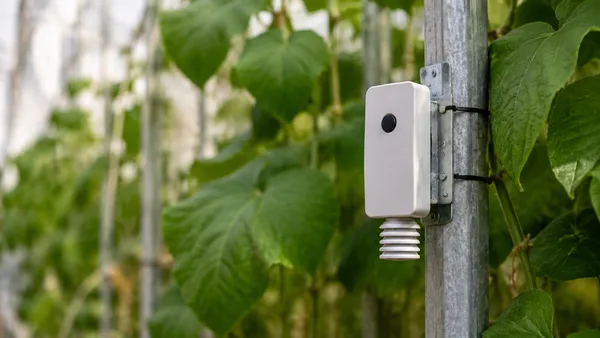















5G gives businesses more than faster phones. It creates a stronger foundation for mobile work, real-time data, connected devices, and better customer service.
Technical reference: NIST: 5G cybersecurity · FCC: understanding reported availability.
For Hawaii businesses, reliable connectivity matters. Employees may work across offices, job sites, hotels, schools, clinics, vehicles, and customer locations.
Mobile service must support email, calls, applications, payments, scheduling, dispatch, photos, video, and real-time updates.
That is where 5G becomes important.
5G can help businesses improve speed, reduce latency, support more connected devices, and enable mobile applications that depend on real-time access to data.
The business value is not just faster wireless service. The business value is better execution.
1. Faster Connectivity Supports Faster Work
Speed matters when employees need to upload photos, download files, access cloud applications, run video calls, process transactions, or communicate with customers.
For a sales team, faster mobile connectivity can mean quicker access to CRM data, proposals, pricing, and customer records.
For a field team, it can mean faster job updates, fewer delays, and better communication with dispatch or management.
For a hospitality business, it can help managers coordinate operations across properties, departments, and service teams.
The value is simple: less waiting, fewer interruptions, and better productivity.
2. Lower Latency Supports Real-Time Applications
Latency is the delay between sending information and receiving a response.
Lower latency matters for real-time applications such as dispatch, logistics, remote monitoring, connected equipment, video, and time-sensitive business workflows.
For example:
- A delivery team may need real-time route updates.
- A technician may need to upload job-site photos immediately.
- A manager may need to review alerts from connected equipment.
- A healthcare or service team may need secure access to time-sensitive information.
When systems respond faster, employees can make decisions faster. When communication improves, customers often receive faster service.
3. Greater Capacity Supports More Connected Devices
Many businesses now operate with more connected devices than ever.
These may include:
- Smartphones
- Tablets
- Laptops
- Sensors
- Cameras
- Payment devices
- Wearables
- Wireless routers
- IoT equipment
5G can support higher device density and stronger bandwidth for environments where many devices are connected at the same time.
This is especially relevant for businesses with:
- Multiple employees using mobile applications
- Job sites with connected equipment
- Hotels or large facilities with operational devices
- Healthcare teams using mobile workflows
- Public-sector teams coordinating field activity
- Retail or service businesses using mobile point-of-sale tools
As business operations become more connected, wireless capacity becomes more important.
4. 5G Supports IoT, AI, and Real-Time Analytics
5G can help businesses collect and use data from connected devices. This is important because more business decisions now depend on real-time visibility.
For example:
- A logistics company may track vehicles and dispatch activity.
- A facility team may monitor equipment or environmental conditions.
- A healthcare provider may support mobile workflows and secure communication.
- A hospitality business may coordinate staff, service requests, and guest operations.
- A contractor may use mobile forms, photos, and job-site communication.
The opportunity is not just connectivity. The opportunity is better information, faster decisions, and stronger operational control.
5. Business Mobile Security Matters More as Teams Become More Connected
As businesses become more mobile, security must become more intentional.
Employees use mobile devices to access email, customer information, files, calendars, business applications, and communications. That makes mobile security a business priority.
AT&T ActiveArmor features depend on the service, device, and subscription. Confirm eligibility and feature limits; call filtering does not replace device management, strong authentication, or employee training.
For business users, this helps address two common issues:
1. Fraud and spam interruptions that waste employee time.
2. Mobile security risks that can expose sensitive information.
A strong 5G strategy should include security protections, device policies, and user awareness.
6. AT&T Turbo for Business May Help Prioritize Critical Applications
Some businesses rely on mobile applications that are more important than general browsing.
Examples include:
- Dispatch
- Logistics
- CRM
- Customer service
- Field operations
- Work-order management
- Route management
- Time-sensitive communication
AT&T Turbo for Business provides eligible traffic with enhanced treatment under its terms. Confirm the supported plan, device, and traffic; it does not guarantee application availability or remove coverage limits.
This may be useful for mobile teams that need more reliable access to critical business applications.
For example, a field employee may need to update a job record before leaving a site. A sales representative may need access to CRM notes before a customer meeting. A dispatcher may need better mobile performance to coordinate routes or service calls.
The purpose is to keep business-critical apps running more smoothly when mobile performance matters.
7. Trade-In Programs Help Businesses Modernize Responsibly
A 5G strategy often requires device upgrades. However, businesses may have older devices that still hold value.
AT&T Business Trade-In helps businesses recover value from retired devices. Eligible trade-ins may help offset the cost of new equipment.
This can be helpful for businesses that need to upgrade multiple devices but want to control costs.
Ask the trade-in processor for current handling and sanitization documentation. Apply your organization’s data-retention and device-sanitization requirements before transfer.
That matters because old devices may contain business data, customer information, or employee information. A structured trade-in process is safer than leaving old devices unmanaged.
Business Use Cases for 5G in Hawaii
Hospitality
Hotels and hospitality businesses can use mobile connectivity to improve communication between managers, housekeeping, maintenance, front desk, security, and guest-service teams.
Construction and Field Service
Construction and field-service teams can use mobile connectivity for job-site photos, forms, scheduling, dispatch, time tracking, and project updates.
Healthcare
Healthcare organizations can use mobile tools to support secure communication, scheduling, coordination, and operational workflows.
Professional Services
Law firms, accounting firms, consultants, insurance agencies, and other professional services firms can keep employees connected while traveling, visiting clients, or working remotely.
Government and Education
Public-sector and education teams can use mobile connectivity to support field employees, emergency coordination, mobile communication, and secure access to business applications.
Retail and Local Service Businesses
Retailers and local service companies can use mobile devices for payment tools, inventory access, customer communication, scheduling, and employee productivity.
What to Review Before Upgrading to 5G
Before moving to a new wireless plan or device strategy, businesses should review:
- Current wireless lines and monthly costs
- Device ages and upgrade eligibility
- Coverage needs by location
- Employee roles and mobile workflows
- Security requirements
- Device ownership model
- Trade-in value for old devices
- Need for business support and account management tools
- Whether critical applications need stronger mobile performance
A thoughtful review can help avoid overbuying, under-protecting, or choosing plans that do not match the business use case.
Bottom Line
5G can help Hawaii businesses improve speed, responsiveness, device connectivity, and mobile productivity.
The best results come when 5G is paired with the right device strategy, security tools, trade-in process, and support model.
For most businesses, the goal is not simply to buy faster wireless service. The goal is to help employees work better, serve customers faster, reduce risk, and support future growth.
How Sigma Hawaii Can Help
Sigma Hawaii helps businesses compare wireless options across providers and choose the right setup for their team, budget, and operating needs.
If your business is reviewing mobile lines, device upgrades, 5G options, or wireless costs, we can help you evaluate the best path forward.
Schedule a Consultation to Review Your Business Wireless Options
Request a proposalSources
- AT&T Business. "5G Benefits for Business." https://www.business.att.com/learn/articles/5g-benefits-for-business.html
- AT&T Business. "5G Business Internet, Mobile & Network Solutions." https://www.business.att.com/portfolios/5G-for-business.html
- AT&T. "AT&T ActiveArmor Mobile Security." https://www.att.com/security/active-armor/
- AT&T Business. "AT&T Business Trade-In Program." https://www.business.att.com/content/dam/attbusiness/briefs/att-business-trade-in-program.pdf
- National Institute of Standards and Technology. "Guidelines for Media Sanitization: NIST Special Publication 800-88." https://csrc.nist.gov/pubs/sp/800/88/r2/final