 ChatGPT
 Claude
 Perplexity
 Gemini
 Meet your local partner
































































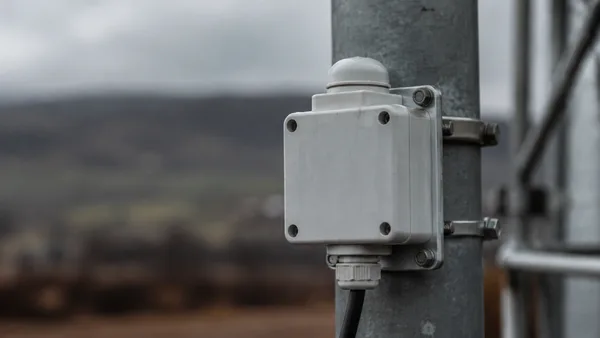





















HVAC companies in Hawaii have quietly become technology businesses as much as trade businesses. Modern commercial HVAC systems increasingly report performance data remotely, letting service companies catch a failing component before it causes a breakdown. Field technicians rely on mobile devices for dispatch, scheduling, and parts lookup throughout the day. Back at the office, scheduling and inventory systems coordinate a business that might be serving clients across multiple islands in a single week.
All of that depends on connectivity that many HVAC companies never deliberately planned for — mobile plans chosen for cost rather than coverage, an office connection sized for a much smaller operation, and remote monitoring added to client systems without a clear plan for how that data actually gets back to the office reliably. In an industry where demand spikes hard during Hawaii's hottest, most humid stretches, a connectivity gap that goes unnoticed in a slow month becomes a real problem during peak season.
Where Hawaii HVAC Companies Feel the Strain
Field technicians need reliable connectivity across the islands, not just near the office
Mobile plans that work fine near headquarters can leave technicians without reliable data access in more remote service areas — right when they need to look up parts information, update a work order, or contact dispatch about an unexpected issue on site.
Remote monitoring of client equipment adds a new data responsibility
Offering remote monitoring as a service — catching equipment issues before they become emergency calls — depends on that data reaching the office reliably. A connectivity gap on either end can mean a missed alert and a client left without the proactive service they were promised.
Dispatch and scheduling software needs constant availability
If scheduling or dispatch is cloud-hosted, document its connectivity requirements and any supported offline mode. Test the fallback before relying on it.
Office and warehouse connectivity supports parts inventory management
Inventory tracking for parts and equipment increasingly runs on cloud-based systems, meaning a slow or unreliable office connection can slow down the very process meant to get technicians the parts they need quickly.
Seasonal demand spikes strain systems that "usually work fine"
Use your own seasonal service records to identify busy periods and test dispatch and monitoring capacity against those workloads.
Multi-island service territories complicate office coordination
HVAC companies serving multiple islands often manage separate offices or dispatch points, each with its own connectivity setup and vendor relationship, making it harder to maintain consistent service standards company-wide.
What a Modern HVAC Company Network Looks Like
Dedicated internet at the main office and warehouse
Assess dispatch, inventory, and monitoring traffic during busy periods. Compare capacity and service commitments, and test application performance and backup operation before deployment.
Mobile connectivity plans evaluated for actual field coverage
Choosing mobile plans based on real coverage across your service territory — not just cost — helps identify workable coverage and the locations where an offline procedure or alternative connection is needed.
IoT platforms for remote equipment monitoring
A dedicated platform for aggregating client equipment data gives the office a reliable, consolidated view of monitored systems, with clear alerting when something needs attention.
Unified communications for dispatch coordination
A cloud-based communication system connecting dispatch, technicians, and the office gives everyone a consistent way to coordinate schedule changes and urgent calls throughout the day.
Backup connectivity for peak-season continuity
A backup may support essential work during an outage. Test the actual applications, failover, and backup power, and document an offline procedure.
Illustrative Scenario: The Growing Multi-Island HVAC Service Company
Consider this hypothetical example for Hawaiʻi HVAC companies: a business that started on a single island and has expanded its service territory, adding remote equipment monitoring as a service offering and equipping technicians with mobile devices for dispatch and parts lookup. The mobile plans and office connectivity, chosen when the business was smaller and more geographically concentrated, haven't been reassessed against the company's current, wider footprint.
A proper modernization in this situation typically starts with a coverage assessment across the full service territory, followed by a review of office bandwidth against actual peak-season dispatch and monitoring traffic. From there, remote monitoring data gets consolidated into a single platform, and backup connectivity is added at the office to protect dispatch operations during the highest-demand months.
Why Multi-Provider Guidance Matters for HVAC Companies
HVAC company owners are focused on service quality, technician scheduling, and client relationships — not on evaluating competing mobile and internet plans across a multi-island territory. A multi-provider advisory approach starts with the company's actual coverage and bandwidth requirements and compares available provider options against those requirements, helping compare proposals and coordinate the transition without pulling focus from day-to-day operations.
Steps to Modernize Your HVAC Company's Connectivity
- Test mobile coverage across your actual service territory. Don't assume a plan that works near the office works everywhere your technicians go.
- Size office bandwidth to peak season, not average season. Base capacity planning on your highest-demand months, not a typical week.
- Consolidate remote monitoring into one platform. If client equipment data comes in through multiple disconnected systems, look for ways to unify it.
- Plan for continuity during peak demand. Weigh the cost of backup connectivity against the cost of a dispatch outage during your busiest stretch.
- Consolidate multi-island office contracts. If you operate more than one location, get a unified view of spend and service levels across all of them.