 ChatGPT
 Claude
 Perplexity
 Gemini
 Meet your local partner

















































































Fixed wireless or fiber: what fits a Hawaiʻi location?
Compare the actual service address, not an island-wide coverage claim. For a leased shop, ask who approves cabling and equipment placement; for a temporary site, compare installation commitments against the remaining occupancy period. A connection available at one Oʻahu property may not be available at another.
Technical reference: FCC: understanding reported availability · Microsoft: network planning.
Ask Sigma to coordinate written options with installation scope, equipment, upload requirements, and cancellation terms. Test wireless at the intended equipment location before relying on it for payments or calling. How to Choose Business Internet in Hawai‘i offers a related planning checklist.
What is the difference?
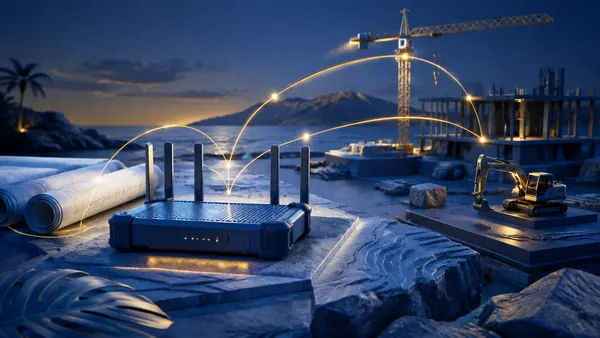
Fiber carries data through glass strands using light. It can support high capacity, low latency, and strong upload performance. Fixed wireless delivers internet to a stationary gateway through a radio network, then connects local devices through Wi-Fi or Ethernet.
Fiber is often a strong fit for offices with many simultaneous users, large cloud transfers, video meetings, hosted voice, remote desktops, or growth plans. Fixed wireless can work well for small offices, temporary locations, construction sites, events, mobile operations, or businesses waiting for wired service. It can also provide a separate backup path.
Compare business outcomes—not advertised speed
Evaluate download and upload performance, latency, jitter, packet loss, installation time, support, repair commitments, data policies, static-address needs, firewall compatibility, equipment, full contract cost, and failover.
Test service at the exact location during representative hours. Coverage can change by neighborhood, building, floor, and equipment placement. A single speed test cannot prove that voice, video, payment systems, cameras, or cloud applications will perform consistently.
Hawai‘i considerations
Concrete construction, metal roofing, terrain, landlord requirements, interior cabling, and neighbor-island logistics can affect installation. A multi-location company does not need the same access technology everywhere. It may use fiber at its main office, another wired connection at a branch, and wireless backup at critical sites.
When each option may be wrong
Fixed wireless may be a weak primary choice where signal changes materially, applications require predictable latency, or large uploads are routine. Fiber may be impractical when construction is expensive or cannot meet the opening date.
Frequently asked questions
Can fixed wireless replace fiber?
For some workloads, yes. Validate local performance, policies, equipment, and application compatibility before replacing a stable wired circuit.
Is fixed wireless suitable for cloud phones?
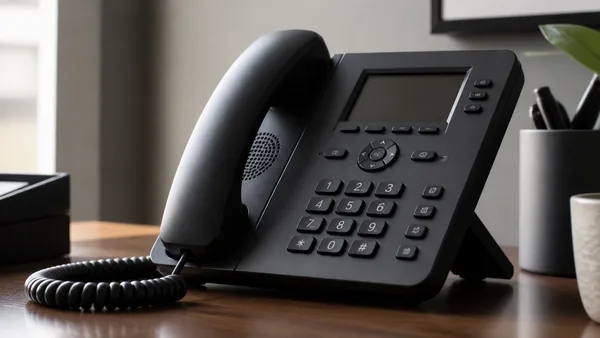
Potentially. Call quality depends on latency, jitter, packet loss, stability, and available capacity under load.
Should a business have two internet connections?
Consider redundancy when an outage would stop revenue, customer service, safety, or essential operations. The two connections should avoid shared failure points where possible.
Plan your next step
Request an address-specific connectivity comparison from Sigma Hawai‘i.
Let’s talk