 ChatGPT
 Claude
 Perplexity
 Gemini
 Meet your local partner

































































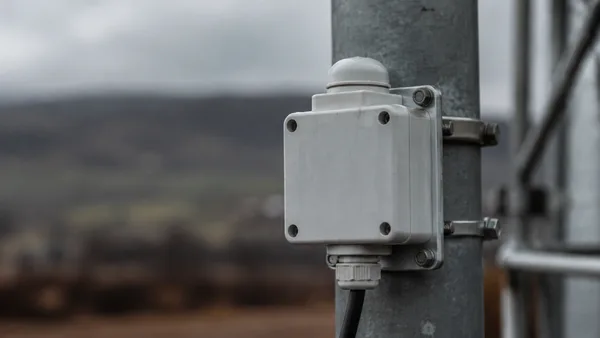


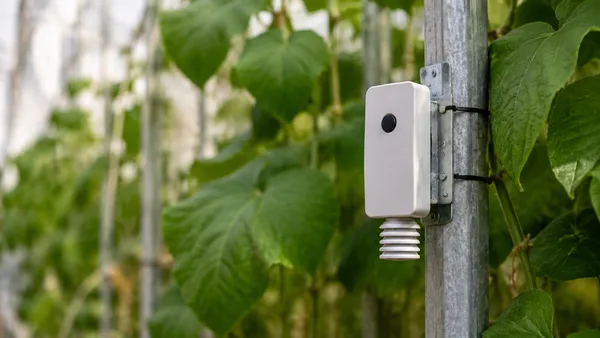













Which sensor project is worth buying first in Hawaiʻi?
Choose a problem with a named response owner, such as a property leak alert or equipment-condition notification. An alert has limited value if nobody can investigate it or if access to the property is unavailable when it occurs.
Technical reference: NIST: IoT security baseline · NIST: 5G cybersecurity.
Ask Sigma to coordinate connectivity and provider questions before purchasing devices in volume. Budget for installation, subscriptions, replacement, and alert handling—not just the sensor price. 5G and IoT Use Cases for Hawai‘i Businesses offers a related planning checklist.
Nine useful applications
- Temperature: Protect food, medicine, equipment, and storage.
- Water leaks: Detect issues near mechanical rooms, kitchens, and vulnerable areas.
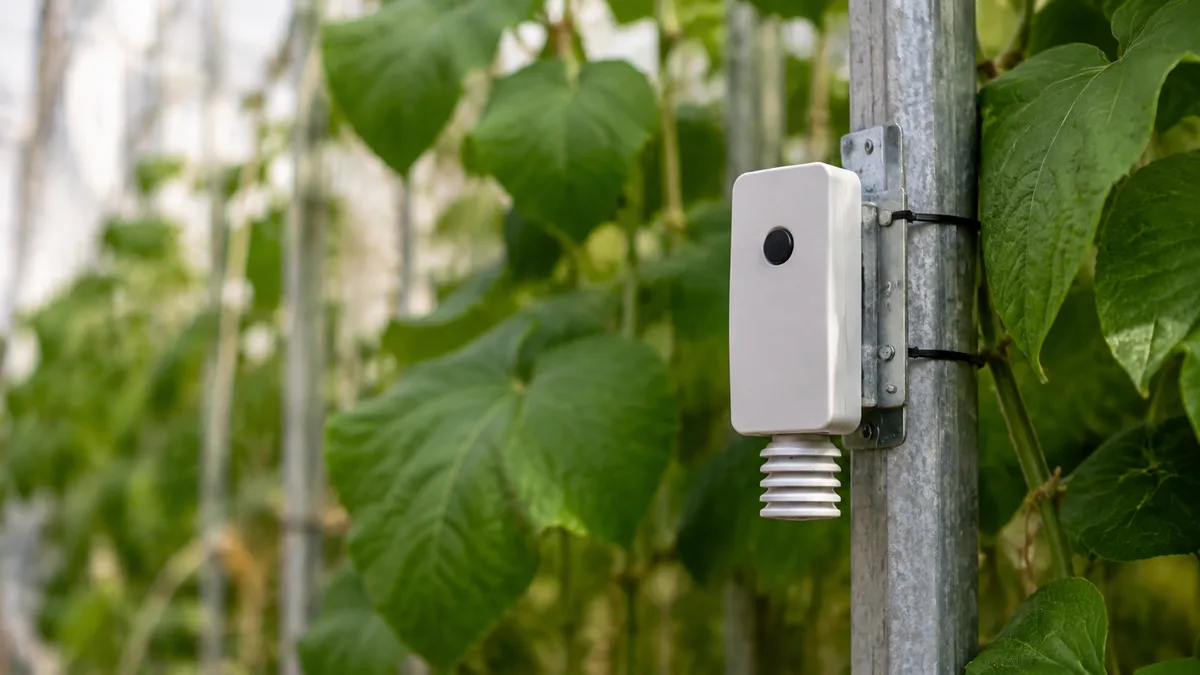
- Humidity: Monitor buildings, supplies, electronics, agriculture, and guest spaces.
- Equipment condition: Measure vibration, heat, pressure, or runtime for maintenance.
- Energy: Identify unusual consumption and validate efficiency improvements.
- Occupancy: Understand use of rooms, desks, waiting areas, and public spaces.
- Asset location: Track tools, carts, containers, equipment, or vehicles.
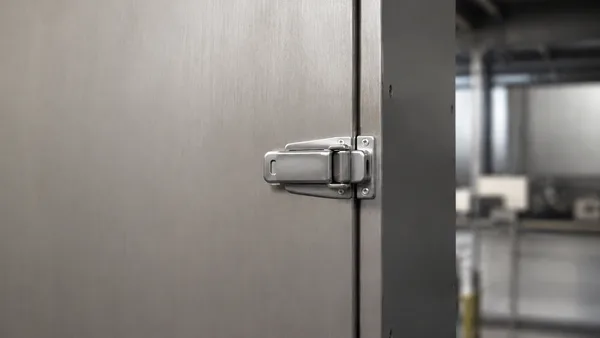
- Doors and access: Monitor restricted areas, cabinets, or storage conditions.
- Inventory: Detect replenishment needs through weight, proximity, or optical data.
Design the workflow first
Define the condition, threshold, alert recipient, required response, escalation, maintenance owner, retention, and success measure. An alert without an accountable response creates noise.
Connectivity may use Wi-Fi, cellular service, low-power networks, wired connections, or a local gateway. Choose based on location, movement, data volume, range, battery, coverage, security, and management.
Pilot at one location. Compare total device, service, platform, installation, integration, maintenance, and response cost with measurable waste avoided, downtime reduced, labor saved, or asset use improved.
Frequently asked questions
Do sensors need Wi-Fi?
No. Several wired and wireless options exist.
How long do batteries last?
Battery life depends on device, radio, reporting frequency, signal, environment, and configuration.
How is ROI calculated?
Compare the complete lifecycle cost with a measured operational baseline and verified improvement.
Plan your next step
Ask Sigma Hawai‘i to prioritize use cases and connectivity before investing in devices.
Let’s talk