 ChatGPT
 Claude
 Perplexity
 Gemini
 Meet your local partner






























































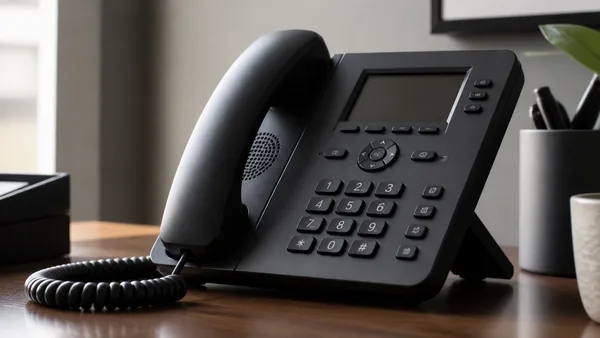






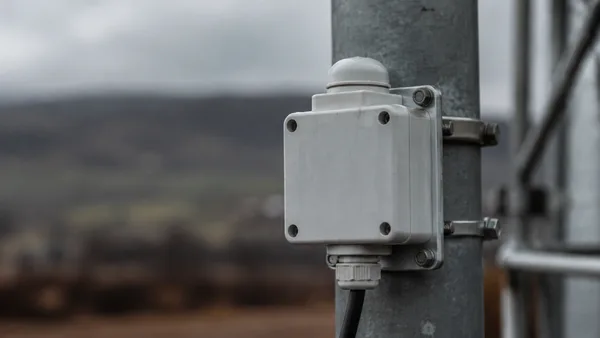


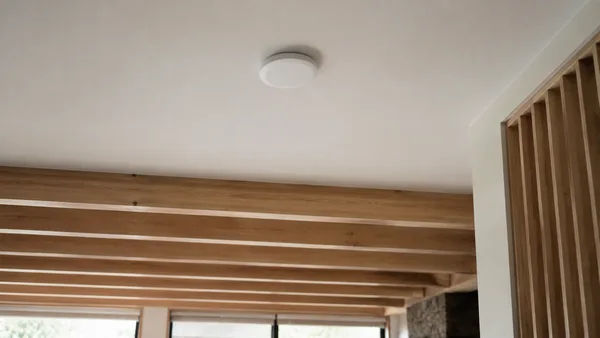

















Real estate in Hawaii — commercial buildings, mixed-use developments, multi-family residential properties — increasingly competes on more than location and finish quality. Reliable, fast connectivity has become a baseline tenant expectation, whether it's a retail tenant needing dependable POS connectivity, an office tenant expecting seamless building Wi-Fi, or a residential tenant who simply won't consider a building without strong internet options. At the same time, buildings themselves have become more connected — access control, environmental monitoring, elevator systems, and security infrastructure all increasingly depend on network connectivity to function.
For many Hawaii property managers and developers, this shift has outpaced the way buildings were originally wired. Older commercial and multi-family properties were often built with connectivity as an afterthought — enough for basic office or residential use, not for the layered demands of modern tenants, building systems, and shared infrastructure all competing for the same network capacity.
Where Hawaii Property Managers Feel the Strain
Tenant Wi-Fi has become a leasing consideration, not a bonus
Prospective tenants — commercial and residential alike — increasingly ask about connectivity options before signing a lease. A property that can't offer reliable, fast internet, or that leaves tenants with limited provider choice, is at a real disadvantage in a competitive leasing market.
Smart building systems add a new layer of network dependency
Access control, environmental sensors, elevator monitoring, and building security systems increasingly run on network connectivity. When that infrastructure isn't properly planned, these systems compete with tenant traffic for the same limited capacity — or worse, share an unsegmented network that creates security exposure.
Multi-tenant properties require careful network segmentation
A property with multiple tenants needs each tenant's network traffic kept separate, both for security and for fair, accurate billing where connectivity is provided as part of the lease. Retrofitting this kind of segmentation into an older building can be complex if it wasn't planned from the start.
Construction and renovation phases need their own connectivity plan
Active construction or renovation projects often need temporary connectivity for project management, security monitoring, and on-site coordination — separate from whatever permanent infrastructure will eventually serve the finished property.
Older buildings face real retrofit challenges
Historic or older commercial buildings, common throughout Hawaii, may lack the structured cabling or conduit pathways that make modern connectivity straightforward to install, requiring more creative planning to bring older properties up to current standards.
Multi-property portfolios accumulate fragmented vendor relationships
Property management companies overseeing multiple buildings often end up with different providers, different contracts, and inconsistent service levels at each property — making it difficult to manage technology as a coordinated part of the overall portfolio.
What a Modern Property Network Looks Like
Dedicated backbone connectivity for the building
A robust, business-grade connection at the building level gives property management the foundation to support tenant connectivity, building systems, and shared infrastructure with capacity reviewed as occupancy and application demand change.
Segmented networks for tenants and building systems
Keeping each tenant's traffic separate, and keeping building systems like access control and security on their own segmented network, protects both tenant privacy and the building's own operational infrastructure.
IoT platforms for building management
A dedicated platform for monitoring access control, environmental sensors, and building systems gives property management a single view of building operations, rather than a collection of disconnected point solutions.
Flexible connectivity for construction phases
Temporary, scalable connectivity solutions support active construction or renovation phases without requiring a full permanent build-out before it's needed.
Redundant connectivity for critical building systems
Review each building system with its responsible equipment vendor. Elevator, alarm, and access-control services may have specific compatibility, power, monitoring, and regulatory requirements; a generic internet backup is not automatically an acceptable replacement.
Illustrative Scenario: The Growing Multi-Property Portfolio
Consider this hypothetical example for Hawaiʻi property management companies: a firm managing a handful of commercial and mixed-use properties, each connected under whatever arrangement was in place when the property was acquired or built. As tenant expectations rose and buildings added access control and security systems, connectivity at each property was patched together reactively rather than planned holistically.
A proper modernization in this situation typically starts with an assessment of connectivity infrastructure at each property, followed by network segmentation separating tenant, building system, and management traffic. From there, properties move toward a consolidated set of contracts and consistent service standards across the portfolio, giving property management a single point of accountability instead of a different vendor relationship at every building.
Why Multi-Provider Guidance Matters for Property Managers
Property managers are focused on occupancy, tenant relationships, and building operations — not on evaluating competing telecom infrastructure proposals for every property in a portfolio. A multi-provider advisory approach starts with the portfolio's actual requirements — number of properties, tenant mix, building age, and existing contracts — and compares available provider options against those requirements before recommending a path forward, helping compare proposals and coordinate next steps.
Steps to Modernize Your Property's Connectivity
- Audit connectivity infrastructure at every property. Understand what's currently in place and where it falls short of tenant and building system needs.
- Separate tenant, building system, and management traffic. If everything runs on one unsegmented network today, treat this as a priority fix.
- Evaluate connectivity as a leasing amenity. Consider whether current infrastructure supports your competitiveness in the leasing market.
- Plan for construction and renovation phases separately. Ensure temporary connectivity needs don't get overlooked during active projects.
- Consolidate multi-property contracts. Get a unified view of spend and service levels across your full portfolio before renewing anything individually.