 ChatGPT
 Claude
 Perplexity
 Gemini
 Meet your local partner




































































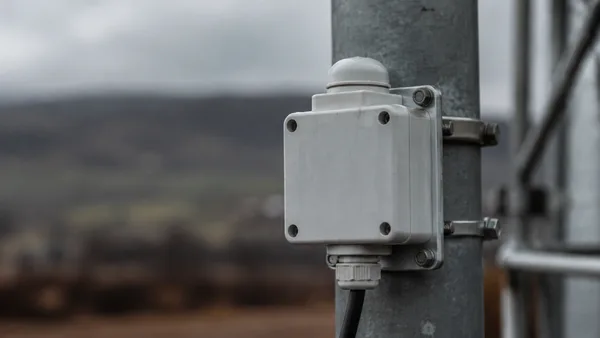




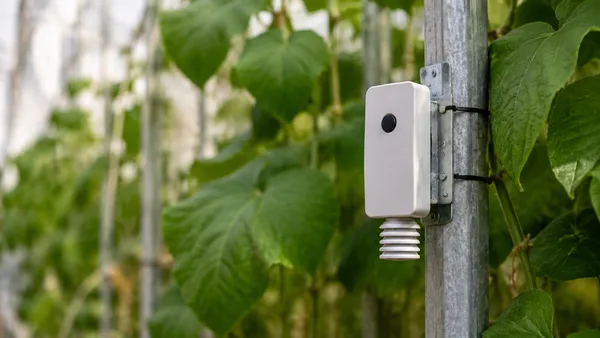

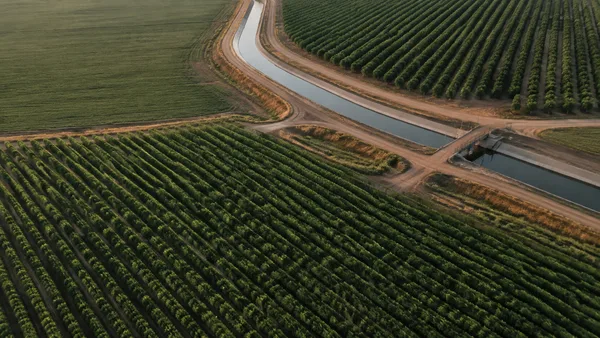












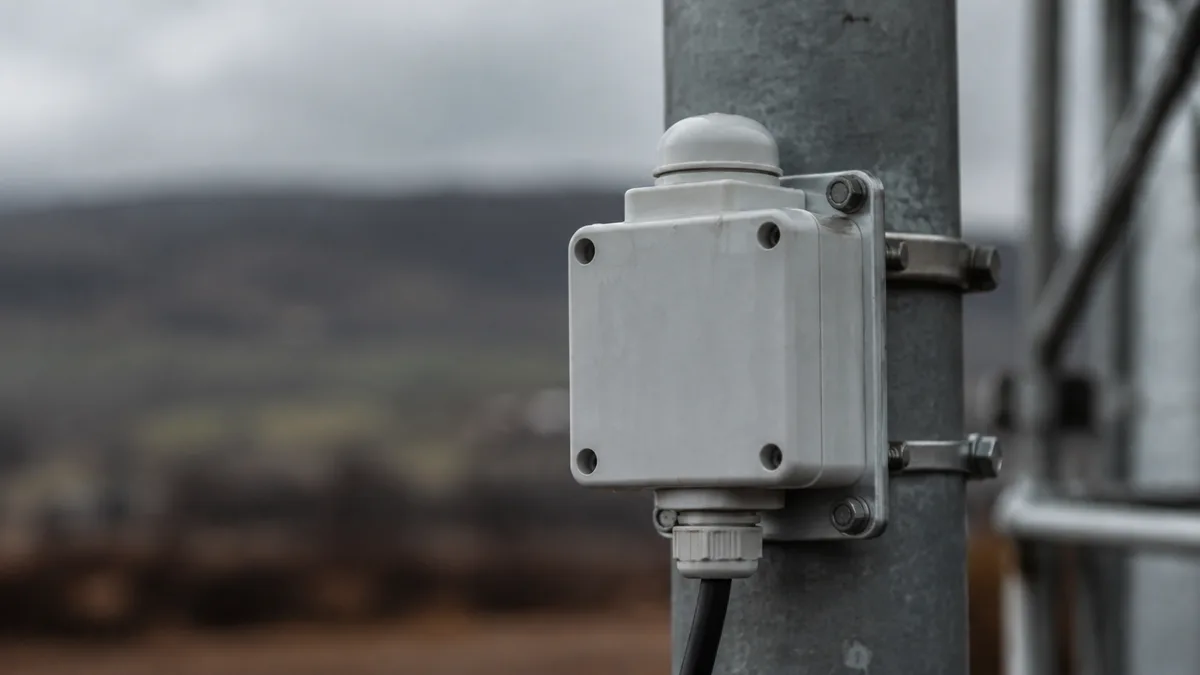
Who will maintain connected equipment across islands?
A sensor at a remote property still needs an owner for updates, credentials, replacement, and incident response. Agree how failed equipment will be reached and who receives alerts outside normal office hours.
Technical reference: NIST: IoT security baseline · NIST: 5G cybersecurity.
Ask Sigma to coordinate connectivity and commercial scope while your IT or security partner defines controls. Identify separately the device supplier, application operator, network provider, and person responsible for acting on an alert. Modern Network Security for Distributed Businesses offers a related planning checklist.
Why IoT creates different risks
Connected equipment may operate outside a traditional office for years. Devices can be difficult to inspect, update, or replace. Some collect sensitive data or control physical processes. Risk increases when the business lacks a current inventory or a named security owner.
Control identity and access
Give every device a unique identity. Avoid shared default credentials. Record its serial number, location, purpose, owner, connection, software version, and retirement status. Grant only the network and application access required for its function.
Separate connected equipment from employee, guest, and administrative traffic. Restrict destinations and monitor unusual behavior. A dedicated connection does not eliminate the need for application and cloud security.
Plan updates before purchase
Ask how software is updated, how long security support lasts, how vulnerabilities are disclosed, and what happens when support ends. Define who approves updates, deploys them, and reverses failures.
Encrypt sensitive data. Protect administrators with multifactor authentication and role-based permissions. Monitor access and integration credentials. Collect only information that supports a legitimate purpose.
Prepare for incidents and retirement
Contain and preserve
Document how to isolate a device, suspend its connectivity, and preserve evidence.
Restore and communicate
Document how to restore operation and notify the relevant stakeholders.
Retire completely
At retirement, remove credentials, connectivity, stored data, cloud records, and physical labels according to policy.
Frequently asked questions
Is 5G secure by default?
It provides network protections, but the full solution still depends on device, identity, application, cloud, and administrative controls.
Should IoT use a separate network?
Usually. Segmentation limits unnecessary access and reduces the potential impact of compromise.
Who owns IoT security?
Named business and technical owners should cover procurement, deployment, monitoring, maintenance, response, and retirement.
Plan your next step
Ask Sigma Hawai‘i to map connectivity requirements before deploying connected equipment.
Let’s talk