 ChatGPT
 Claude
 Perplexity
 Gemini
 Meet your local partner

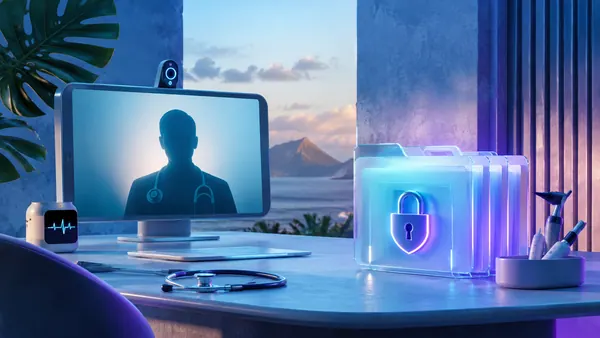



























































The Growing Cybersecurity Challenge
Cyber threats are not just a concern for large corporations. Businesses of all sizes across Hawaii are increasingly targeted by sophisticated attacks. The shift to remote work, cloud applications, and mobile devices has expanded the attack surface for many companies.
Technical reference: NIST: cybersecurity basics.
Understanding the landscape and taking practical steps to protect your business is essential — not optional.
Common Threats Facing Hawaii Businesses
Phishing and Social Engineering
Phishing is an important attack route to address. Employees receive emails that appear legitimate but contain malicious links or attachments. Modern phishing attacks are increasingly sophisticated, often targeting specific individuals within an organization (spear phishing).
Ransomware
Ransomware encrypts your files and demands payment for the decryption key. Recovery without backups can take weeks or months, and paying the ransom does not guarantee data recovery. Organizations handling sensitive information should assess both data exposure and operational disruption.
Business Email Compromise (BEC)
Verify payment and banking changes through a known, separate contact channel; email filtering alone cannot prevent every impersonation attempt.
Insider Threats
Not all threats come from outside. Employee mistakes, weak passwords, and poor security practices can expose business data. Training and access controls help mitigate this risk.
Practical Security Measures
Start with the Basics
- Multi-factor authentication (MFA) — Require MFA on all business accounts, especially email and cloud applications.
- Endpoint protection — Deploy modern antivirus and endpoint detection on all company devices.
- Email security — Use advanced email filtering to catch phishing attempts before they reach inboxes.
- Regular backups — Maintain encrypted, offsite backups tested regularly for recovery.
- Employee training — Conduct regular security awareness training focused on recognizing phishing and social engineering.
Advanced Protections
- SASE (Secure Access Service Edge) — Combines network security and wide-area networking in a cloud-delivered service. Ideal for businesses with remote workers or multiple locations.
- Zero Trust architecture — Verify every user and device before granting access, regardless of location.
- Managed detection and response (MDR) — Evaluate specialist threat monitoring and confirm coverage hours and response responsibilities in the agreement.
Compliance Considerations
Hawaii businesses in regulated industries must meet specific cybersecurity requirements:
- Healthcare (HIPAA) — Protect patient health information with administrative, physical, and technical safeguards.
- Financial services — Comply with state and federal data protection regulations.
- Government contractors — Check the solicitation and contract for applicable cybersecurity clauses. CMMC does not apply to every government contract.
How Sigma Helps
Sigma compares cybersecurity solutions from multiple providers based on your business size, industry, and risk profile. We help you understand what protections make sense, avoid overspending on unnecessary tools, and connect you with the right security partner — with ongoing local support.