 ChatGPT
 Claude
 Perplexity
 Gemini
 Meet your local partner



















































































How do you standardize communications across Hawaiʻi sites?
Start with the work people do: customer calling, internal meetings, shared reception, and field coordination. Decide which sites need shared numbers and administration, while retaining any location-specific operating requirements.
Technical reference: Microsoft: network planning · NIST: cybersecurity basics.
Ask Sigma to compare the complete licensing and implementation scope. Identify training ownership and a launch sequence that fits Hawaiʻi working hours; confirm which features require additional licenses. How to Choose a Business Phone System offers a related planning checklist.
Separate employee and customer requirements
Internal communications include direct calls, team messages, meetings, presence, and collaboration. Customer communications may require queues, routing, recordings, quality management, digital channels, workforce tools, and detailed reporting.
One platform may support both, but the requirements are different. Do not assume an employee-calling tool can replace a full customer-service environment.
Map the current technology stack
List calling, conferencing, messaging, texting, fax, contact-center, calendar, email, customer-management, help-desk, and file-sharing tools. Record licenses, contracts, administrators, integrations, usage, and pain points.
Eliminating a tool creates savings only when the replacement supports its important workflows and records.
Evaluate experience, security, and administration
Test browser, computer, mobile, and desk-phone use. Review identity integration, multifactor authentication, roles, audit records, retention, encryption, application access, guest controls, and offboarding.
Define who manages licenses, numbers, locations, emergency information, call flows, updates, and incidents. Assess internet, upload capacity, latency, jitter, packet loss, Wi-Fi, cabling, switches, firewall, and power.
Track adoption, support cases, call quality, missed calls, response time, tool consolidation, employee feedback, and customer outcomes.
Frequently asked questions
Is unified communications the same as VoIP?
No. Voice is usually one component within a broader communications environment.
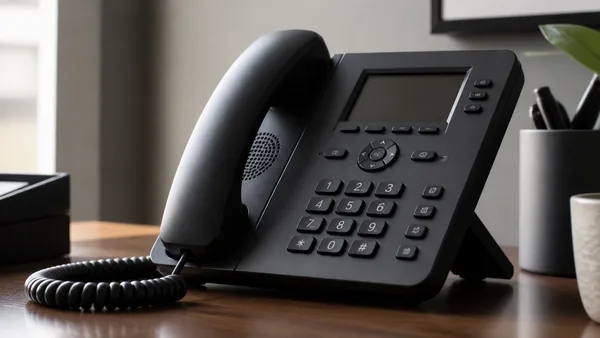
Are desk phones still needed?
It depends on role, location, ergonomics, reliability, emergency needs, and customer experience.
Can it integrate with customer systems?
Often, but validate the exact workflow, licensing, data movement, and support ownership.
Plan your next step
Request a communications-stack and requirements assessment from Sigma Hawai‘i.
Let’s talk